What Could Your Body Do If We Found the Right Way In?

A Human-Centred Approach to Movement.
If you live with POTS, dysautonomia, ME/CFS, hypermobility, or Long Covid you have almost certainly been told by a well-meaning clinician that you need to get moving or follow a rigid exercise protocol.
However when conventional exercise triggers post-exertional malaise (PEM), intense tachycardia, or a multi-day crash, that advice can feel completely insurmountable, and deeply demoralising. It can leave you feeling defeated, disconnected, and cautious of movement altogether.
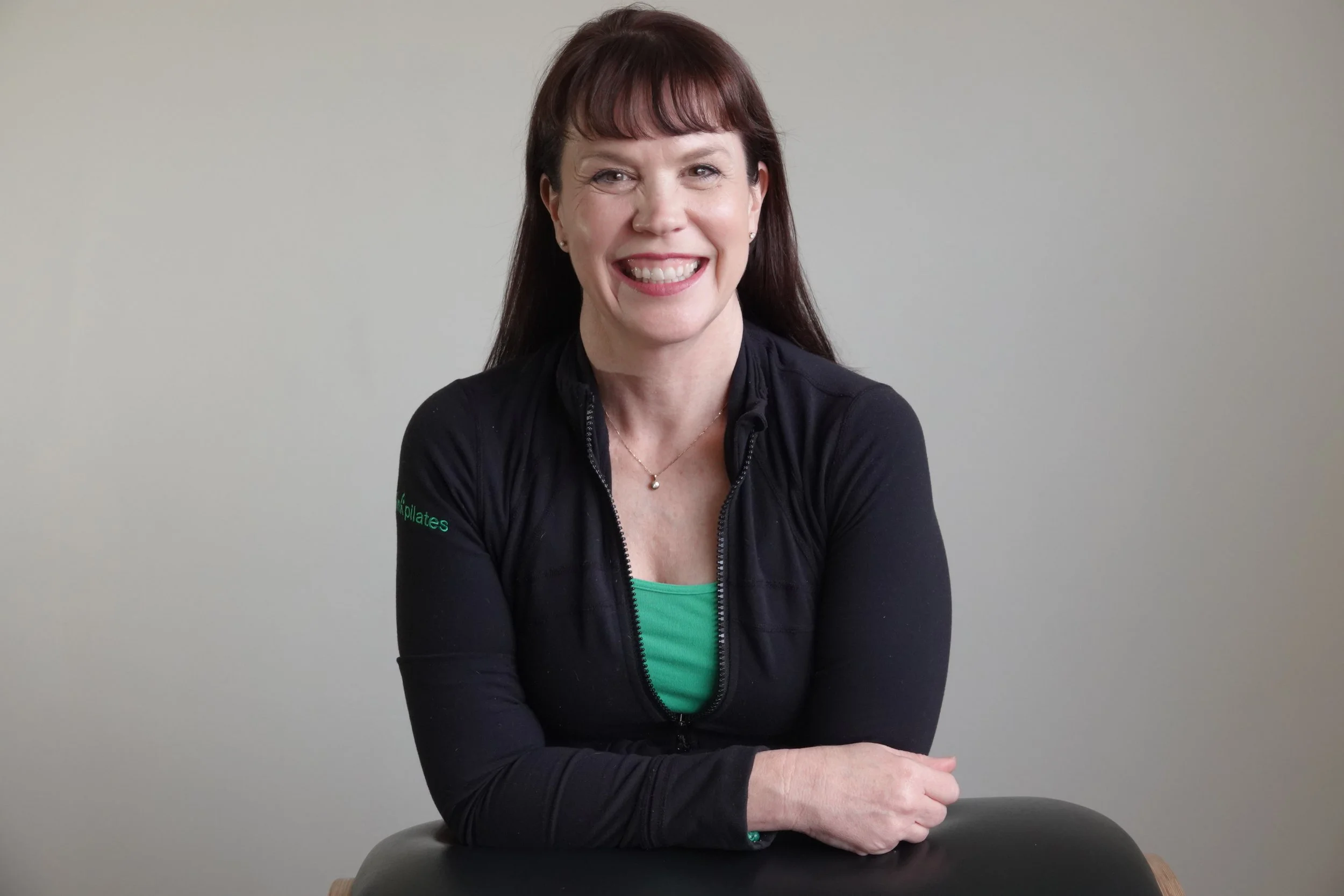
We invited movement specialist Kim Mackinnon, founder of ThinkPilates, to share her philosophy with our blog. Kim’s work offers a compassionate, neuro-informed invitation to relate to your body differently. Instead of forcing your system into a rigid routine, her human-centred approach meets your nervous system exactly where it is today, even if that means starting while lying flat in bed.
When Movement Becomes Information
Starting Gently
When we first meet, we don’t need to know exactly what you should be doing.
We start gently.
For someone living with ongoing symptoms, pain, fatigue or a condition that has made movement difficult, even the idea of movement can sometimes feel daunting. So we begin with something simple and manageable, and see how your body responds.
Your First Movement Is Information
I might give you a very simple instruction, such as moving your leg out to the side, without telling you exactly how I want it to look. I want to see what your body chooses to do.
That first movement is information.
Your brain is constantly organising movement and working out where to find stability. I watch those choices closely. Perhaps your other leg moves with you. Perhaps your eyes are searching, or another part of your body joins in to help.
I don’t see those responses as something you’ve done wrong.
They tell me something about how your body is organising the movement.
Exploring Sensory Information
From there, I can begin to explore what information might help.
I use three different sensory systems to find what your brain responds to most successfully. Sometimes it is information through your eyes. Sometimes it is pressure or touch through your body. Sometimes it is information from your balance system.
The right combination is different for everyone.
When we find something that works, we do the movement again.
Finding a Pathway to Build On
And this is where things can become interesting.
The movement might suddenly feel easier. Your body might not need to work as hard. Something that felt disconnected may feel clearer. You may simply notice, “Oh, that feels different.”
That change is useful.
It tells us your brain has responded to something differently, and we have found a pathway we can build on.
Assessing Rather Than Guessing
This is why I assess rather than guess.
I’m not looking for the exercise you should be able to do. I’m looking at how you respond to movement, and using that information to find a more successful way forward.
Sometimes the starting point might be a simple movement in bed. Sometimes it might be working from a chair. The starting point is less important than finding something your body can respond to successfully.
Building Toward What Matters to You
From there, we build.
Because the aim isn’t simply to exercise.
It’s to help you find movement that makes sense to your brain and body, while looking for ways to reduce your daily symptoms and gradually increase what you feel able to do.
Everyone’s experience is different. What helps one person may not be right for another, so we start with what your body is telling us and build from there.
The goal is to use those successful moments as a starting point for doing more of the things that matter to you.

About Guest Writer Kim Mackinnon
Kim Mackinnon is a movement specialist, educator, and the founder of ThinkPilates. With over 30 years of experience observing and teaching movement, Kim works with clients globally via online sessions and in Sydney.
At Northground, Kim’s human-centered approach aligns seamlessly with our somatic framework. We know that for a hyper-vigilant nervous system, being told to push harder only signals danger. Kim’s brain-first perspective shows how subtle sensory changes, proprioceptive feedback, and gentle curiosity can help you rebuild trust with your body, one small, safe step at a time.
Explore Movement Tools: Connect directly with Kim to learn more about 1:1 online sessions via ThinkPilates.
Support Your Autonomic System: Visit our POTS and Somatic Resource Hub to download pacing tools and nervous system regulation guides, or book an initial consultation with Sandy to explore how somatic therapy can support your health journey.