Heal-ing vs Deal-ing
When to call a counsellor and when to call a coach.
While we often focus on the Grounding phase at Northground—stabilising the nervous system, processing trauma, and understanding your physiological operating system—there comes a time when you are ready to look toward the horizon and move North.
Today, I am thrilled to welcome a guest blogger who specialises in that exact transition. Ashleigh Seggie is the founder of ND Support and Coaching. She brings a powerful combination of professional expertise and lived experience to the neurodivergent community.
Whether you are navigating your own late diagnosis or raising neurodivergent children in a world not built for them, Ashleigh’s work provides the practical scaffolding to help guide you.
I’ve invited Ashleigh to explain the unique role of coaching, how it differs from the therapeutic work we do here at Northground, and how it can help you build a life that actually fits your brain.
The Magic of Coaching: Finding Your Way with Ashleigh Seggie
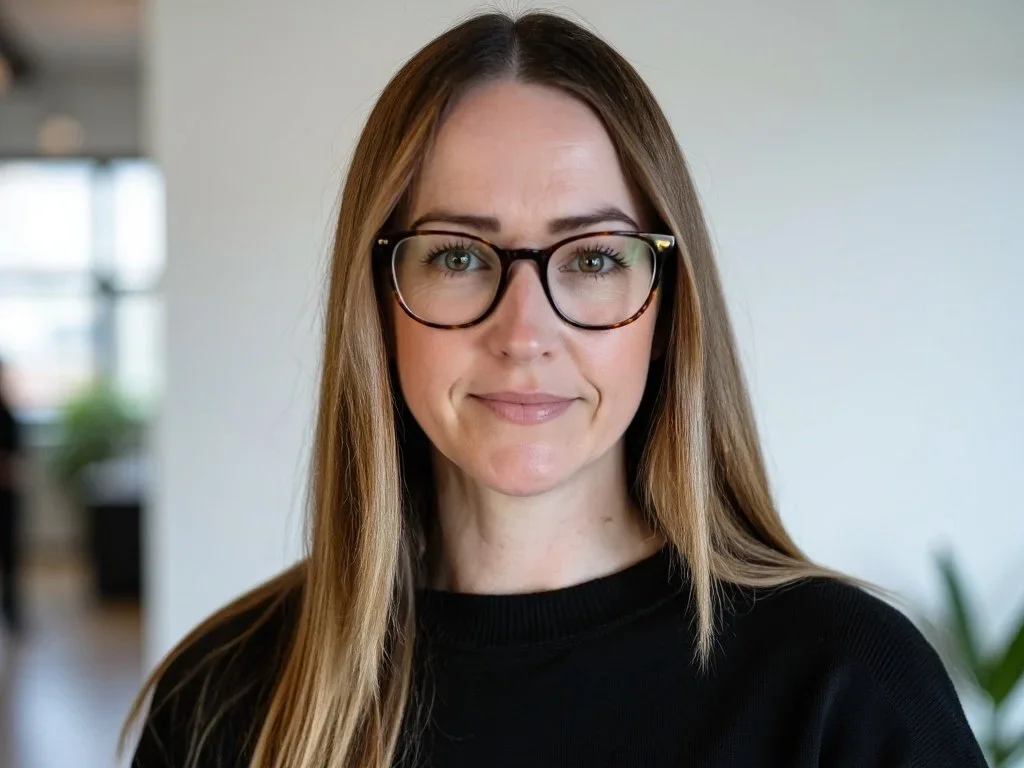
The role of a coach is to make themselves obsolete. Truly. The goal is not to keep clients dependent. The role of a good coach is to help you get to a place where you no longer need them.
Why? Because coaching is about helping you recognise that you likely already have many of the tools and resources you need - they may just be buried under overwhelm, self-doubt, burnout, or years of trying approaches that never suited your brain or your family.
That is the magic of coaching. It is not about fixing you. It is about equipping you.
For neurodivergent adults, coaching might focus on executive functioning, emotional overwhelm, work stress, daily routines, boundaries or simply learning how to work with your brain instead of against it.
For parents, coaching can focus on understanding your child’s neurotype, reducing conflict at home, navigating school, building confidence, and finding approaches that actually fit your child instead of relying on traditional parenting approaches that often be detrimental to neurodivergent kids.
Coaching vs Counselling – What’s the Difference?
Both coaching and counselling have value. They simply serve different purposes.
Counselling often looks backward and inward. It can help people process trauma, grief, anxiety, depression, relationships, family of origin experiences, and emotional pain. It creates space for healing and deeper therapeutic work.
Coaching is more present and future focused. It asks:
What is happening now?
What is getting in the way?
What do you want to change?
What practical steps will help?
How do we create momentum?
Sometimes people need counselling first. Sometimes they need coaching. Sometimes both, at different times, or alongside each other.
For example:
If you are carrying unresolved trauma or significant mental health distress, counselling may be the right first step.
If you feel stuck, overwhelmed, disorganised, unsure how to manage parenting or life demands, coaching may be ideal.
If you are parenting a neurodivergent child while unpacking your own childhood experiences? There may be room for both.
It is about choosing the right support for the season you are in.
My Coaching Approach
All certified or accredited coaches are trained to help clients uncover their strengths, clarify goals, remove obstacles and create meaningful change. That foundation matters, and good coaching principles are universal.
Where my work differs is in the lens I bring to it. I bring both professional training and lived experience to this work. I understand neurodivergence – and not as a buzzword or trend, but as a genuine difference in brain wiring that impacts motivation, executive functioning, emotional regulation, sensory experience, identity and daily life. That means I can help clients avoid neurotypical approaches that sound good but fall apart in practice. Instead, I combine quality coaching methodology with evidence-based strategies and neuro-affirming approaches that are realistic, practical and tailored to how your brain or family functions.
I work collaboratively with clients to understand how neurodivergence factors into their lives and behaviours, and avoid deficit mindsets. Often the core issues aren’t laziness, lack of care or poor motivation. Often it is burnout. Sensory overload. Executive dysfunction. A nervous system under strain. Unrealistic expectations. Parenting approaches that don’t match the child in front of you.
Together we untangle what is happening, identify strengths, and build strategies that are realistic and sustainable.
Why I Created ND Support and Coaching
I created ND Support and Coaching because I saw a gap. I had been in the gap. My own journey parenting neurodivergent children forced me through ND-101 and into a PhD-level crash course very quickly. Like so many parents, I learned through necessity, love, research, trial and error, and sheer determination. And I am still learning.
As light began to appear at the end of the tunnel, I realised I wanted to help shorten that path for others.
Too many neurodivergent adults hate their brains. Too many parents are exhausted, confused and drowning in advice that did not apply to their child. Too many schools and systems are expecting children to fit environments that were never designed for them.
Families deserve support earlier. Adults deserve to understand themselves sooner. Kids deserve to thrive — not just survive.
Moving Forward with Clarity
Ashleigh’s perspective on coaching as a tool for obsolescence resonates deeply with our goal at Northground. We want you to feel so anchored in your own resources and so clear in your own identity that you have the agency to lead your own life—and your family—with confidence.
If you are currently in a season where you need practical, neuro-affirming strategies to manage the daily demands of life or parenting, I highly encourage you to connect with Ashleigh.
You can explore Ashleigh's services, resources, and coaching programs at: ND Support and Coaching Website
And as always, if you are still in the phase of needing to settle your nervous system or process the deeper layers of your journey before taking those next practical steps, we are here to help you find your foundation.
Learn more about our somatic and neuro-affirming therapy at: Northground Therapy & Resources